Source Eco Friendly Hook And Loop Tape For Shoes
Find 30 eco friendly hook and loop tape for shoes options from China. Compare nylon and polyester materials, widths from 16mm to 160mm, and hook styles for garments, bags, and caps. View stock availability and customization features; compare the available evidence and request quotations based on your requirements.
Key considerations
Products List




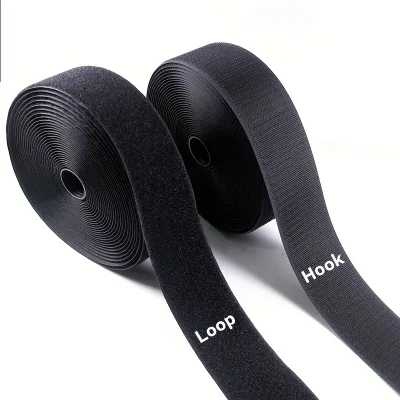
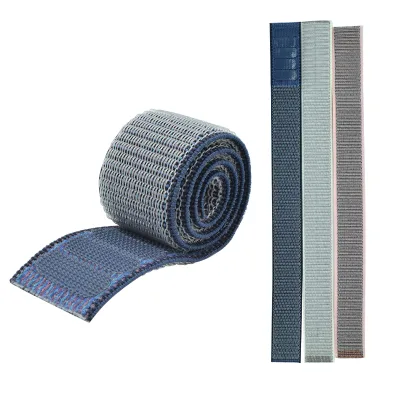
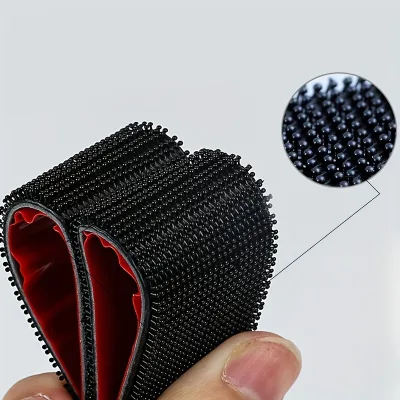
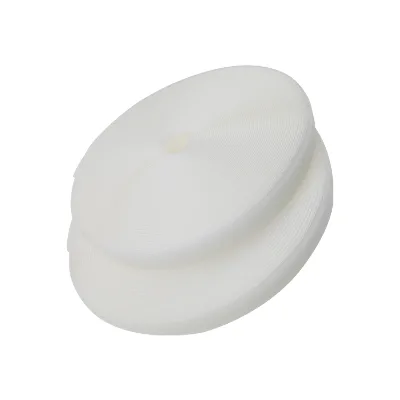
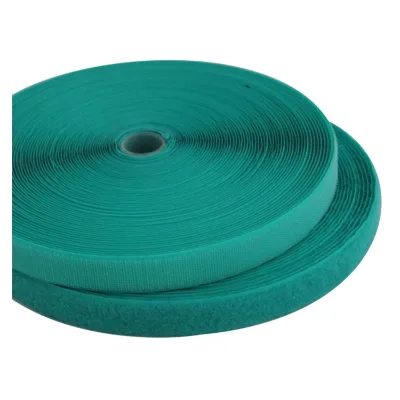
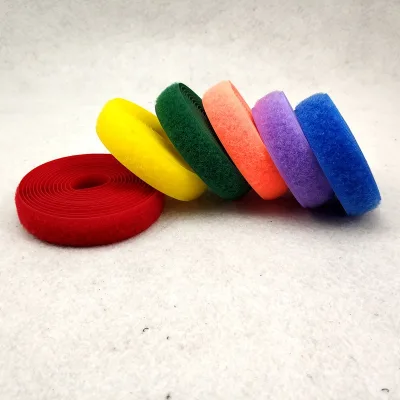
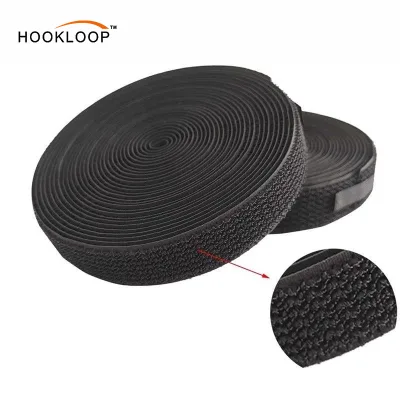


Comprehensive Sourcing Guide
Eco Friendly Hook and Loop Tape for Shoes Sourcing Guide
Sourcing eco-friendly hook and loop tape for shoes requires a strategic balance between material sustainability, functional durability, and commercial viability. Buyers must navigate a market where "eco-friendly" is often a marketing term rather than a certified standard, necessitating rigorous verification of fiber composition and manufacturing processes. The core keyword highlights a niche within the broader fastener industry, focusing on products that minimize environmental impact while maintaining the high tensile strength required for footwear applications. This guide provides a structured approach to evaluating suppliers, verifying technical specifications, and ensuring that procurement decisions align with both brand values and operational requirements.
The procurement landscape for these fasteners is characterized by significant variability in material blends, with common compositions including polyester and nylon mixes. Buyers should prioritize suppliers who offer transparent material declarations, such as specific percentages of recycled content or biodegradable components, rather than relying on generic claims. Additionally, the availability of customization options allows for tailored solutions that meet specific shoe design constraints, including width, color matching, and adhesive properties. Understanding these variables is essential for selecting the right product that satisfies both aesthetic preferences and performance standards in the footwear sector.
Product Scope and Observed Listing Signals
The observed product scope for eco-friendly hook and loop tape reveals a diverse range of specifications tailored to various footwear and garment applications. Listings frequently indicate material compositions such as 70% polyester and 30% nylon, or pure polyester variants, which offer different levels of durability and environmental profiles. The standard widths observed range from 16mm to 160mm, with common sizes like 16mm, 20mm, 25mm, and 30mm being readily available. These dimensions cater to the varied needs of shoe construction, from narrow straps to wide closures, ensuring that buyers can find suitable options for different design requirements without compromising on fit or function.
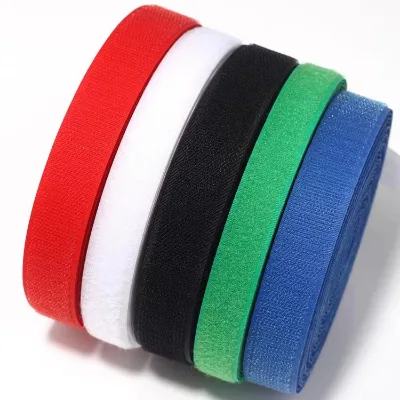
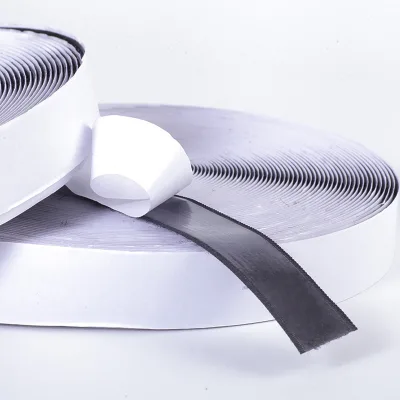
Listing signals also highlight key attributes such as color matching capabilities, with options for white, black, and solid colors to complement various shoe designs. The presence of self-adhesive features and welding capabilities suggests versatility in application methods, allowing for secure attachment to diverse shoe materials. Furthermore, the observation of stock availability and customizable packing options, such as 25-meter rolls or bulk carton quantities, indicates a mature supply chain capable of supporting both small-scale prototyping and large-volume production runs. These signals provide a foundation for evaluating supplier readiness and product suitability for specific procurement needs.
Technical Specifications to Verify
Verifying technical specifications is critical to ensuring that the selected hook and loop tape meets the rigorous demands of footwear manufacturing. Buyers should confirm the exact material composition, as blends like 70% polyester and 30% nylon offer distinct performance characteristics compared to pure polyester or nylon options. It is essential to verify the width and length specifications, ensuring they align with the design requirements of the final product, with common sizes ranging from 16mm to 100mm. Additionally, the verification of surface treatments, such as self-adhesive backing or welding compatibility, is necessary to determine the most effective application method for the specific shoe material and construction process.
Further technical verification should focus on the physical properties of the tape, including its tensile strength, abrasion resistance, and colorfastness. Buyers must ensure that the product maintains its integrity under the stress and environmental conditions typical of footwear use, such as exposure to moisture, heat, and repeated flexing. The observation of features like "eco-friendly" claims should be backed by tangible evidence, such as material safety data sheets or third-party test results, to validate the environmental assertions. Confirming these technical details helps mitigate the risk of product failure and ensures that the fastener performs reliably throughout the lifecycle of the shoe.
Compliance and Safety Documentation
Compliance and safety documentation are paramount when sourcing eco-friendly hook and loop tape, particularly for footwear intended for global markets. Buyers must request detailed material safety data sheets (MSDS) and declarations of conformity to ensure that the tape meets relevant chemical regulations, such as REACH or CPSIA, depending on the target market. While some listings mention ISO 9001 certification, this should be verified as a quality management standard rather than a direct indicator of environmental compliance. It is crucial to distinguish between general quality certifications and specific eco-certifications, such as OEKO-TEX or GRS, which provide more direct assurance of the product's environmental and safety profile.
Additionally, buyers should inquire about the supplier's adherence to specific environmental standards and their ability to provide documentation for recycled content or biodegradability claims. The absence of explicit certification details in many listings necessitates proactive verification, as "eco-friendly" is not a regulated term. Requesting test reports for restricted substances, such as azo dyes or heavy metals, is essential to ensure that the tape does not pose health risks to consumers. By prioritizing comprehensive compliance documentation, buyers can protect their brand reputation and ensure that their products meet the stringent regulatory requirements of international markets.
Cost Drivers and Commercial Terms
Cost drivers for eco-friendly hook and loop tape include material composition, customization requirements, and order volume. The use of recycled polyester or specialized nylon blends can influence pricing, as these materials may incur higher production costs compared to standard virgin fibers. Customization options, such as specific widths, colors, or adhesive properties, often add to the overall cost due to the setup and production adjustments required. Buyers should also consider the impact of packaging choices, such as roll sizes and carton quantities, on the total landed cost, as these factors affect shipping efficiency and storage requirements.
Commercial terms, including minimum order quantities (MOQ) and lead times, play a significant role in the procurement strategy. Observed MOQs can range from small quantities for sampling to larger volumes for production, with some suppliers offering flexible terms to accommodate different buyer needs. Lead times for samples and bulk orders should be clearly defined, as delays can impact production schedules and market launch timelines. Understanding these commercial variables allows buyers to negotiate favorable terms and align procurement plans with their inventory management and cash flow objectives, ensuring a smooth and cost-effective sourcing process.
Supplier Qualification and Quality Control
Supplier qualification is a critical step in ensuring the reliability and consistency of eco-friendly hook and loop tape supplies. Buyers should conduct thorough due diligence to assess the supplier's manufacturing capabilities, quality control processes, and commitment to sustainability. This includes verifying the supplier's production capacity, such as the observed supply capacity of 2,000,000 yards per month, to ensure they can meet demand fluctuations. Additionally, evaluating the supplier's track record in the footwear industry and their ability to provide consistent product quality is essential for building a long-term partnership.
Quality control measures should be clearly defined and agreed upon before placing orders, including inspection protocols for material composition, dimensions, and performance characteristics. Buyers should request samples for testing and validation, ensuring that the product meets all specified requirements before committing to bulk production. Implementing regular quality audits and performance reviews helps maintain high standards and identifies potential issues early in the supply chain. By prioritizing supplier qualification and robust quality control, buyers can mitigate risks and ensure that their products meet the highest standards of quality and sustainability.
Long-Term Procurement Checks
Long-term procurement checks involve continuous monitoring of supplier performance, market trends, and regulatory changes to ensure sustained compliance and competitiveness. Buyers should establish key performance indicators (KPIs) to track supplier reliability, product quality, and delivery times, using this data to drive continuous improvement. Regular reviews of the supplier's environmental claims and certifications are necessary to ensure that they remain aligned with evolving sustainability standards and consumer expectations. This proactive approach helps maintain the integrity of the eco-friendly positioning and protects the brand from potential reputational risks.
Furthermore, staying informed about advancements in material science and manufacturing technologies is crucial for identifying opportunities for innovation and cost reduction. Buyers should engage in ongoing dialogue with suppliers to explore new product developments, such as improved recycled content or enhanced durability features. By fostering a collaborative relationship and maintaining a forward-looking perspective, buyers can adapt to market changes and secure a competitive advantage in the footwear industry. This strategic approach ensures that procurement decisions remain aligned with long-term business goals and sustainability objectives.
FAQs
What materials are used for eco friendly hook and loop tape for shoes?
The tape is made from a blend of 70% polyester and 30% nylon. This specific composition ensures durability while maintaining the eco-friendly properties required for modern footwear applications and garment accessories.
Which sizes are available for hook and loop tape in this product line?
Available sizes range from 16mm to 160mm, including specific widths like 16, 20, 25, 30, 38, 50, and 100mm. These dimensions cover various needs for bags, suspenders, garments, caps, bras, shoes, and belts effectively.
Can I get samples with a short lead time for this adhesive tape?
Yes, sample orders are supported with a lead time of just 7 days. This allows buyers to quickly verify the quality and specifications of the black and white hook and loop adhesive tape before placing larger orders.
How is the product packed for shipment to international buyers?
The product is packed in cartons with options like 60 rolls or 48 rolls per carton. Each roll typically contains 25 meters of tape, ensuring efficient handling and protection during transit to various global destinations.
What customization options exist for the hook and loop tape specifications?
Customization is available to meet specific buyer requirements for the tape. While standard models exist, the production process allows for adjustments to ensure the product fits unique application needs for shoes and other textile items.
Which features make this tape suitable for shoe and bag applications?
The tape features welding technology and is designed as a solid color tape. It is also self-adhesive and eco-friendly, making it ideal for secure fastening on bags, garments, and shoes without damaging the materials.